Why Your Ceramic Coating is Streaking and How to Fix It in Ceramic Coating Fargo
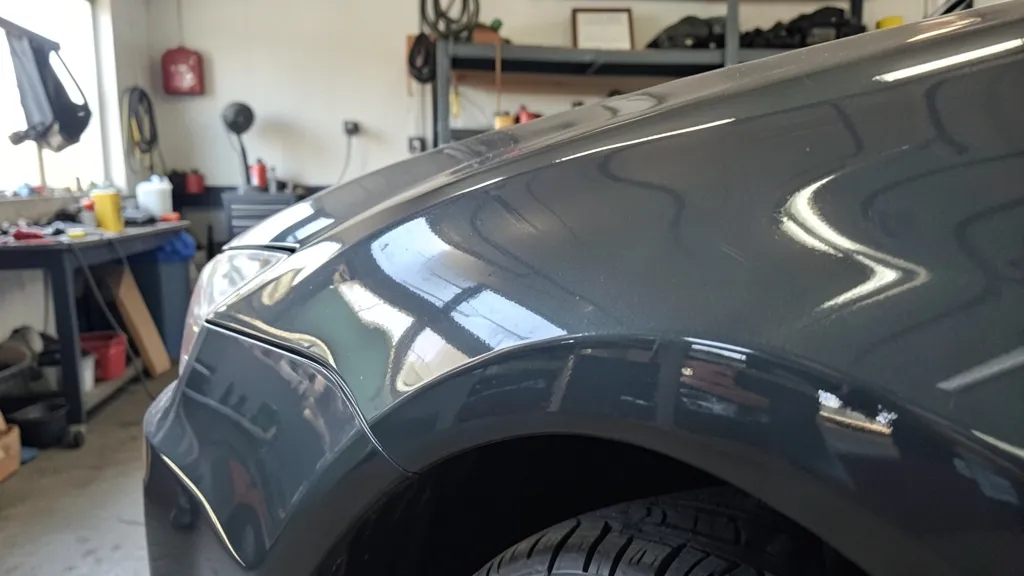
Streaks in your ceramic coating aren’t just unsightly—they signal a breakdown in protection or application errors. Our team sees this often in Fargo’s extreme seasons, where temperature swings and road grime test even high-quality coatings. Here’s how to diagnose, fix, and prevent it for good.
What Causes Streaking in Ceramic Coatings?
Streaking usually stems from improper application. If the coating isn’t leveled correctly during installation, excess product can cure unevenly, leaving visible lines. This is common with DIY kits lacking professional-grade tools.
Contamination is another culprit. Dirt, oils, or old wax trapped under the coating disrupt the bond, creating streaks as the top layer cures. Fargo’s dusty springs and salty winters make this a frequent issue.
Environmental factors play a role too. Applying a coating in high humidity or extreme temps—common in our North Dakota climate—can prevent proper cross-linking, leading to uneven finishes.
Paint correction is non-negotiable. If swirl marks or oxidation aren’t fully removed before coating, the ceramic layer will amplify imperfections, not hide them. We always start with a multi-stage polish for a flawless base.
Even a single speck of dust or residue can cause streaking. That’s why we use IPA wipes and lint-free cloths to ensure the surface is surgically clean before the first drop of coating touches the paint.
Skipping clay bar decontamination? Big mistake. Embedded contaminants in the clear coat will teleport to the surface of your new coating, ruining the finish.
Fargo’s roads are brutal on paint. Iron particles and tar bond to your clear coat, and no amount of washing will remove them. Always clay before coating.
Curing Gone Wrong: Temperature and Timing
Ceramic coatings need 24–48 hours to fully cure, and Fargo’s temperature swings can sabotage this. Applying in cold garages or during heatwaves leads to uneven hardening and streaks.
Humidity is the silent enemy. High moisture levels slow curing, causing the coating to pool or run. We monitor local conditions closely—especially in West Fargo and Moorhead, where river proximity spikes humidity.
Direct sunlight during curing? That’s a recipe for disaster. UV rays can cause premature hardening, locking in streaks before the coating has time to self-level.
Product Quality Matters: Not All Coatings Are Equal
Cheap coatings often lack the silica or titanium dioxide content needed for a uniform finish. They’re more prone to streaking, especially under Fargo’s intense summer sun.
Professional-grade formulas, like those we use for full-vehicle ceramic coating, contain higher solids content. This means better self-leveling and fewer streaks, even on vertical panels.
Thickness isn’t always better. Over-applying a coating can lead to excessive buildup, which cures unevenly. Precision in layering is key to a streak-free finish.
| Grade | Silica Content | Durability | Streak Risk |
|---|---|---|---|
| Consumer DIY | 10-30% | 6-12 months | High |
| Prosumer | 40-60% | 2-3 years | Moderate |
| Professional | 70-90% | 5-10 years | Low |
How to Fix Streaking Without Starting Over
If the coating is fresh (under 48 hours), we can often rework it. Using a high-quality ceramic coating prep spray and a microfiber towel, we gently redistribute the product before it fully cures.
For cured streaks, a light polish with a ceramic-safe compound can restore clarity. This removes the top layer of the coating without damaging the underlying protection. It’s a delicate process—best left to pros.
Severe cases may require a partial or full reapplication. This is why we emphasize proper prep and curing from the start, especially for clients in Horace and Mapleton where dust is a constant battle.
Always test a small, hidden area before polishing streaked coating. Some formulas are more sensitive than others.
Preventing Streaks: Pro Tips for Long-Term Results
Start with a flawless surface. Paint correction and polishing aren’t optional—they’re the foundation of a streak-free coating. We use dual-action polishers for a mirror finish before any coating goes on.
Work in controlled environments. For DIYers, a climate-controlled garage is ideal. For our team, we use filtered air and temperature-controlled bays, especially during Fargo’s unpredictable shoulder seasons.
Use the right tools. High-quality microfiber applicators and towels prevent lint or debris from marring the finish. We swap them out frequently during application to avoid cross-contamination.
Streak-Free Ceramic Coating Checklist
- Perform full paint correction and decontamination
- Apply in 60–80°F temps with <50% humidity
- Use professional-grade coating with high silica content
- Work in small sections with proper leveling
- Allow 24–48 hours for full curing before exposure to elements
When to Call a Pro: Signs You Need Expert Help
If streaks appear alongside peeling or hazing, the coating may be failing entirely. This often happens when the surface wasn’t properly prepped or the product was low-quality.
Deep streaks that resist polishing or reworking mean the coating wasn’t applied correctly. In these cases, removal and reapplication are the only solutions.
For fleet or commercial vehicles in Dilworth or Mapleton, where downtime is costly, we recommend professional application from the start. The upfront cost saves time and headaches later.
How to Remove Light Streaks from a Cured Ceramic Coating
If your coating has minor streaks, you can often restore clarity with careful polishing.
- 1Wash the Vehicle
Use a pH-neutral car shampoo to remove surface contaminants. Avoid harsh soaps that can degrade the coating.
- 2Dry Thoroughly
Use a clean microfiber towel to dry the surface completely. Any remaining moisture can interfere with the polishing process.
- 3Apply Ceramic-Safe Polish
Use a fine polishing compound designed for ceramic coatings. Work in small sections with a dual-action polisher on low speed.
- 4Inspect and Repeat
Check the area under direct light. If streaks persist, repeat the polishing process with lighter pressure.
- 5Reapply Protection
After polishing, apply a ceramic coating maintenance spray to restore hydrophobic properties and protect the finish.
Frequently Asked Questions
Can I fix streaking in my ceramic coating myself?
For minor, fresh streaks, yes—you can often rework the coating with a prep spray and microfiber towel. Cured or severe streaks require professional polishing or reapplication. When in doubt, request a quote from a local expert.
Why does my ceramic coating streak more in winter in Fargo?
Cold temps slow curing, and road salt can contaminate the surface before the coating fully bonds. Always apply coatings in controlled environments and avoid driving in harsh conditions for at least 48 hours.
Is streaking a sign my ceramic coating is failing?
Not always. Light streaks may just be aesthetic, but if accompanied by water spots, hazing, or reduced hydrophobicity, the coating may be breaking down. This is common with low-quality products or poor prep.
How do I prevent streaks when applying ceramic coating to my wheels in Horace?
Wheels are tricky due to their contours. Use a dedicated wheel ceramic coating, apply in thin layers, and work in a dust-free area. Brake dust contamination is a major cause of streaks on wheels.
Does ceramic window tint streak like paint coatings?
Ceramic window tint is less prone to streaking, but improper installation or cleaning can cause visible lines. Always use ammonia-free cleaners and soft microfiber cloths for maintenance.
Can paint protection film (PPF) be applied over a streaked ceramic coating?
It’s not recommended. PPF adheres best to a smooth, clean surface. Streaked coatings can trap air or contaminants, leading to bubbles or peeling. Correct the streaks first, then apply PPF.